

Autumn Pakistani Dresses in the UK: What to Wear This Season
The short answer: in autumn, switch from lawn to mid-weight fabrics like khaddar, linen, cotton, cambric and karandi. These keep you warm on chilly mornings but do not feel heavy when the sun comes out at noon. Pair them with a shawl or a long coat, and you are set for anything the British weather throws at you.
Now let’s talk about why this matters, and how to actually build a Pakistani autumn wardrobe that works.
Why Autumn Is Tricky for Pakistani Traditional Clothing in the UK

If you live in the UK, you already know the problem. September starts warm. By mid-October, you are shivering at the bus stop. Then November brings rain that seems to come from every direction at once.
Summer lawn is too thin for all of this. Winter velvet and heavy shawls feel like too much, too soon. Autumn sits in the middle, and your clothes need to sit there too.
The good news is that Pakistani traditional clothes from England have a full season of fabrics made for exactly this kind of weather.
The Best Fabrics for Autumn
|
Fabric |
Description |
Why It Works for Autumn |
|
Khaddar |
Handwoven cotton that traps a little warmth without being bulky |
Drapes well, looks rich in dark tones, and holds embroidery beautifully, if you buy one autumn outfit, make it khaddar |
|
Linen |
Breathable fabric, ideal for early autumn |
Breathes on warm days and layers nicely when it cools down; a linen kurta with a light shawl carries you from September into early October |
|
Cambric |
Soft, tightly woven cotton, slightly thicker than lawn |
More forgiving in wind, and its prints tend to come in warm, earthy shades that suit the season |
|
Cotton |
Lightweight, breathable, and easy to style |
A reliable transition fabric, comfortable through warmer autumn days and easy to layer once it cools down |
|
Karandi |
Slubbed, textured fabric that feels cosy and looks smart |
Best saved for November when the temperature really drops |
Colours That Feel Right for the Season
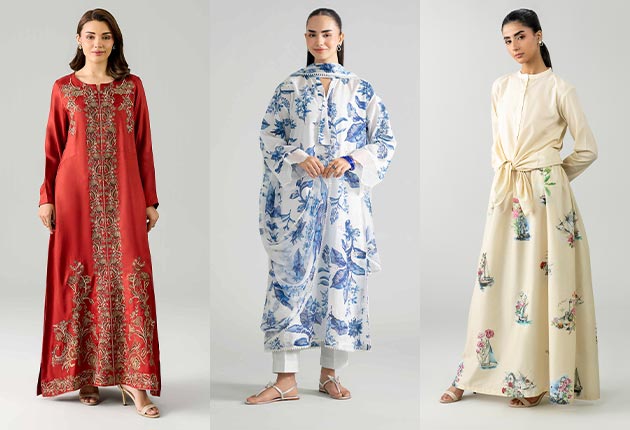
Autumn is the time to put away pastels. Think rust, mustard, olive, maroon, chocolate brown, and deep teal. These colours match the trees outside, and they also hide the odd rain splash better than pale mint or baby pink.
Black and navy work too, but a pop of burnt orange or gold in the dupatta stops the outfit from looking flat under grey skies.
How to Layer Without Losing the Look

Layering is where most people get stuck. You want to stay warm, but you do not want to bury a pretty embroidered neckline under a puffer jacket.
Here is what works:
-
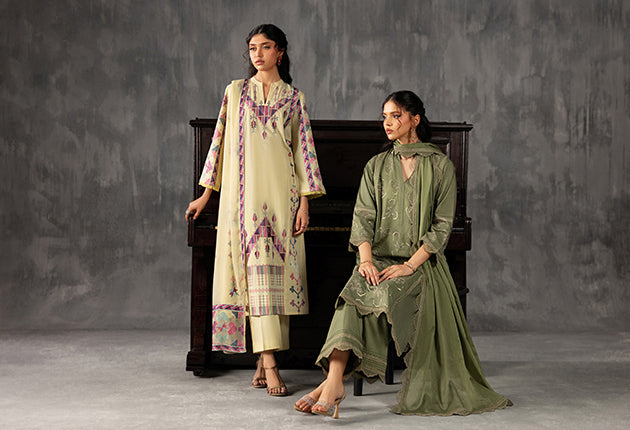
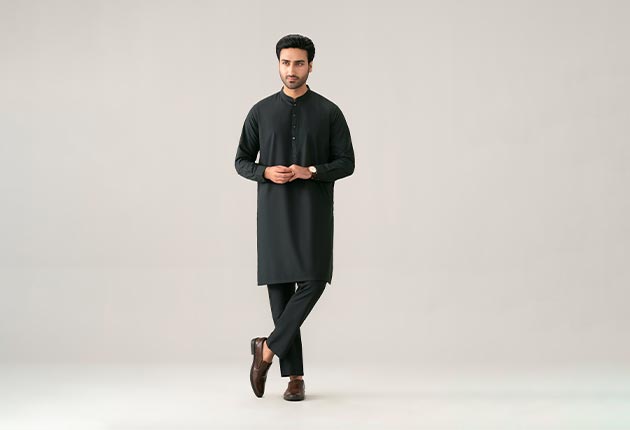
A long jacket over a straight kurta and trousers. The lines stay clean, and the kurta still shows at the front.
-
A pashmina or khaddar shawl wrapped over one shoulder. Warm, traditional, and it doubles as your dupatta.
-
Thermal tights or leggings under trousers or a culotte cut. No one sees them, and your legs stay warm on the platform.
-
Ankle boots instead of khussas or sandals. Brown or tan boots look natural with autumn colours.
-
Skip the bulky cardigan. It breaks the shape of a kurta and adds width where you do not need it.
What to Wear for Different Occasions
Work and university: A printed khaddar suit or cambric two-piece co-ord set with a plain dupatta. Neat, warm, and easy to move in. Add a jacket or coat and you are done.
Weekend and family dinners: Autumn is the wedding and dawat season for many Pakistani families. Go for embroidered khaddar or a linen suit with a heavier embroidered dupatta. Rich colours like maroon and emerald look lovely under indoor lights.
Casual days: A simple kurta with jeans and a shawl. This is the most practical autumn look, and it never feels overdressed.
Evening events: Karandi with gold thread work, or a cotton silk suit with a velvet touch on the neckline. Pair with an embroidered jacket the journey and take it off once you arrive.
Unstitched or Ready to Wear?
If you have a good tailor nearby, unstitched fabric gives you control over sleeve length and fit, which matters when you plan to layer. If you need something quick, readymade Pakistani suits save time and still come in seasonal fabrics and cuts.
Many UK shoppers do a mix. A couple of ready-to-wear kurtas for everyday, and one or two unstitched suits for occasions.
Caring for Autumn Fabrics
Khaddar and karandi should be washed cold and dried flat. Cambric and linen are easier and handle a gentle machine cycle. Iron on medium heat while the fabric is slightly damp, and your suits will last several seasons.

Final Thought
Autumn in the UK does not have to mean giving up Pakistani dresses until Eid. With the right fabric, a few warm colours, and one good coat, you can look and feel like yourself right through to winter.
FAQs
What is the best fabric for Pakistani dresses in UK autumn?
Khaddar is the best all-round choice. Cotton, linen and cambric suit early autumn, while karandi is better for late October and November.
Can I wear a lawn in September in the UK?
Yes, on warmer days in early September. Add a shawl for the evenings. By October, the lawn is usually too thin.
How do I keep warm in a shalwar kameez during autumn?
Wear thermal leggings under your trousers, choose a mid-weight fabric, and add a long coat or a wool shawl over the top.
What colours are in for autumn Pakistani wear?
Rust, mustard, olive, maroon, deep teal, and chocolate brown are the main autumn shades.
What shoes go with Pakistani dresses in autumn?
Ankle boots, closed-toe flats, or loafers. Save khussas and sandals for indoor events.
Is khaddar warm enough for UK autumn?
Yes, for most days. On very cold or wet days, pair it with a coat or a thick shawl.
Where can I buy autumn Pakistani dresses in the UK?
Nishat Linen UK stocks seasonal khaddar, cotton, linen, and karandi collections in both unstitched and ready-to-wear, with delivery across the UK.
Read more: Office to Evening: 5 Ways to Style Nishat Western Pret Outfits